Home
 What's New
 About
 Preface
 Introduction
 Fish Anatomy
 Water Chemistry
 The Aquarium
 Plant Care
 Plant Species
 Food
 Disease
 Biotope Aquaria
   Ecosystems
   Country Database
 Fish Species
   Catfish
   Characins
   Cichlids
   Cyprinds
   Killifish
   Labyrinth Fish
   Livebearers
   Loaches
   Others
   Perches
   Rainbowfish
 Non-fish Species
 Breeding Fish
 Aquarium Photos
 Languages
   Chinese
   Croatian
   Finnish
   German
   Japanese
   Portuguese
   Spanish
 Bibliography
 Links
 Resources
 Rainforests
 Books
 Mongabay Sites
   Kids site
   Travel Tips
 News
 Contact


dog videos, cat videos, puppy videos, kitten videos, pet videos

AQUARIUM PHOTOS


The Steinhart Aquarium in San Francisco, which opened in September 1923, is the oldest, still-operating grand municipal aquarium in America. The aquarium's collection includes species found at no other institution in the world, as well as species that are extinct in the wild.

The Steinhart Aquarium is currently located at 875 Howard Street in downtown San Francisco (between 4th and 5th).

The New Steinhart Aquarium will open in fall 2008.

Other photos:
Steinhart Aquarium - Freshwater Fish | Steinhart Aquarium - Saltwater Fish
Steinhart Aquarium - Reptiles & Insects | Random Animals 1 | Random Animals 2
The New Steinhart Aquarium and California Academy of Sciences | Monterey Bay Aquarium photos | Shanghai Aquarium

Photos from the Steinhart staff and Rhett A. Butler:
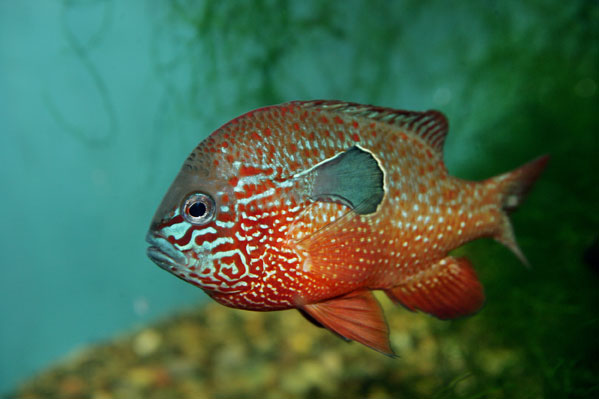

sunfish


blue lobster


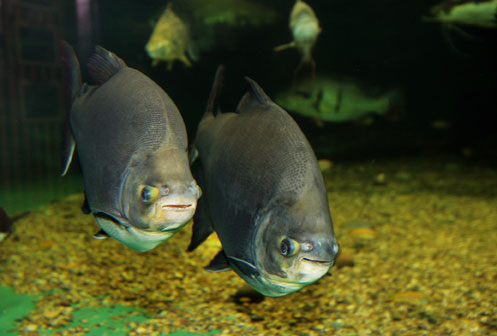
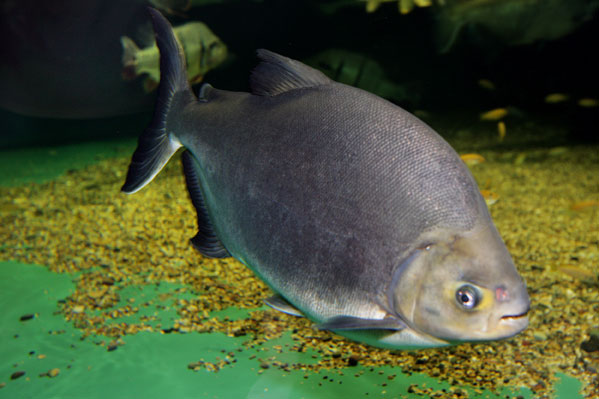
black pacu


black pacu


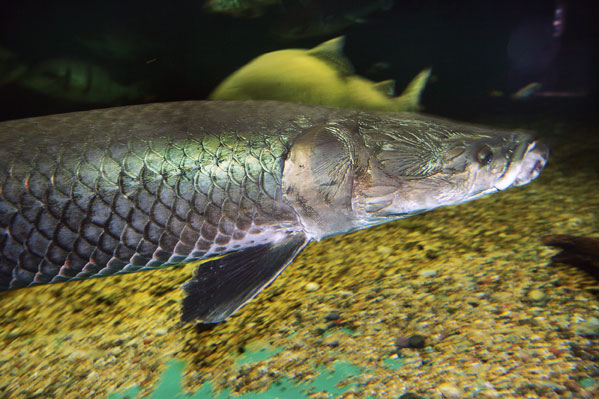
arapaima


black pacu


Emerald Boa
Emerald Boa


Blue Arrow Frog
Blue Arrow Frog


Green Arrow Frog
Green Arrow Frog


Blue Gularis
Blue Gularis


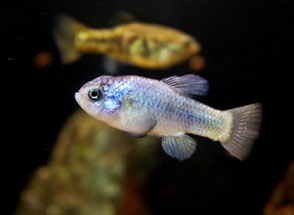
desert pupfish


aba


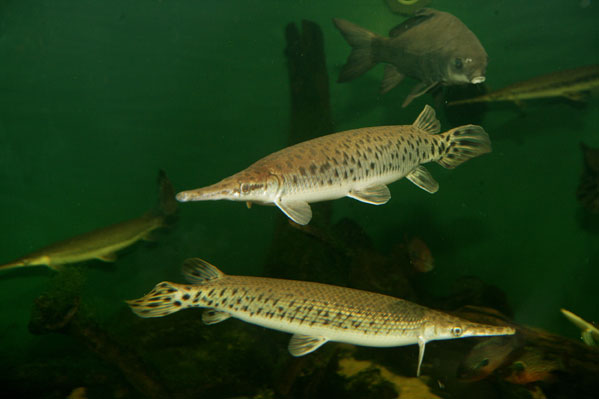
alligator gar


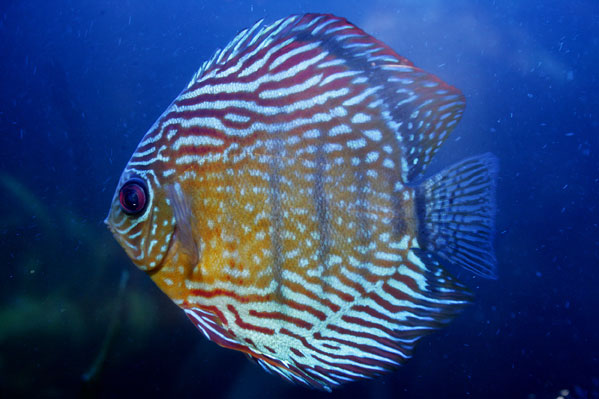
discus


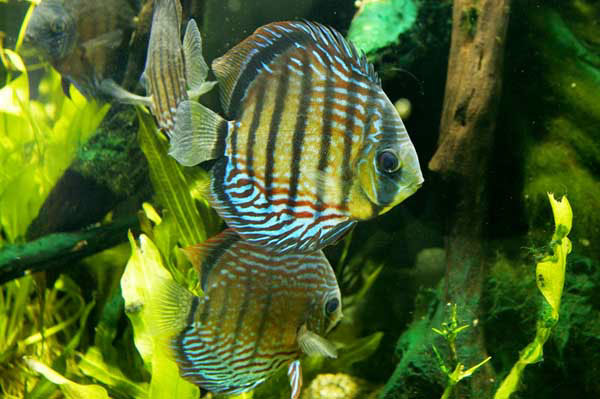
discus


dog-eating-catfish


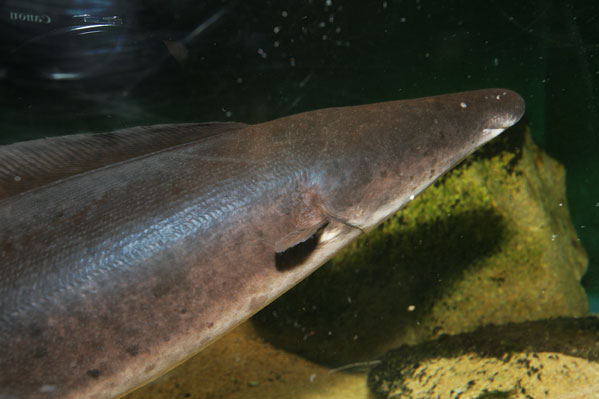
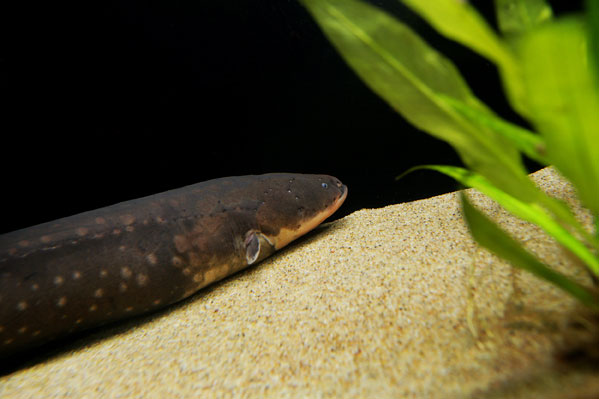
electric eel


Green Arrow Frogs
Green Arrow Frogs


Strawberry Arrow Frog


Egyptian spiny-tailed lizard (Uromastyx aegipticus)


Coral reef tank
Coral reef tank


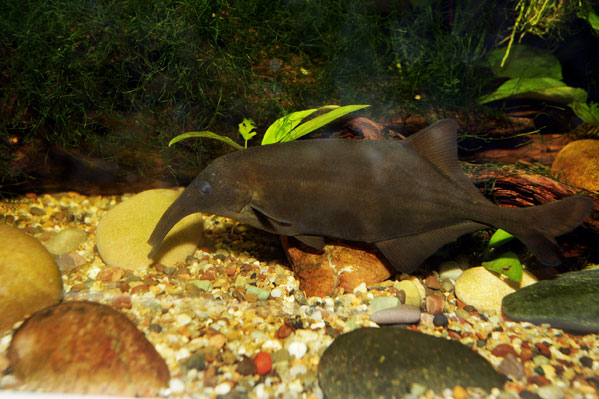
elephant nose fish


elephant nose close


leaf fish


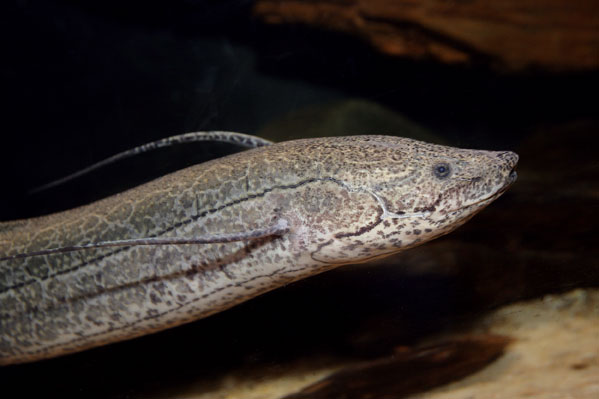
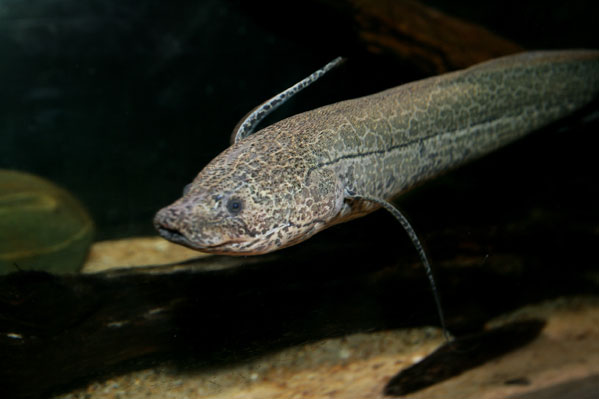
lungfish going left


lungfish going right


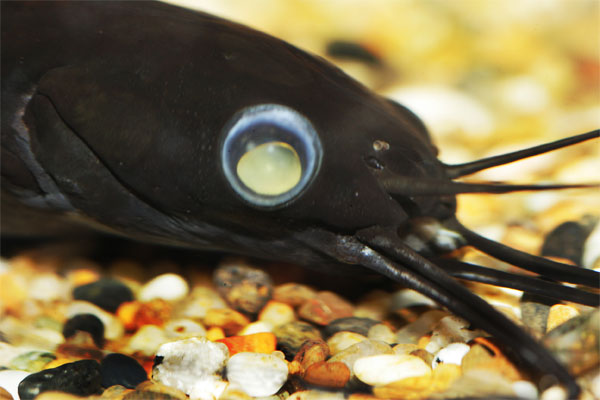
stinging cat eye


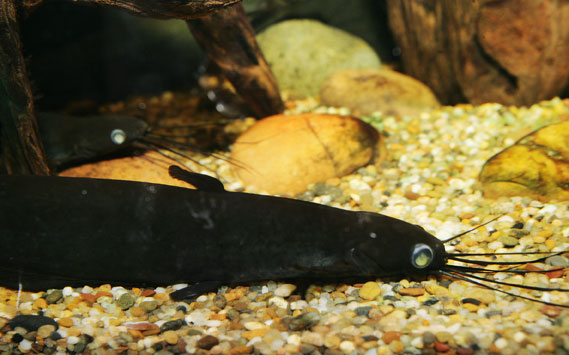
stinging cats


Golden Mantella
Golden Mantella


Box Turtle (Terrapene sp)


Peakcock Bass
Peakcock Bass


White's Tree Frog
White's Tree Frog


Anemone
Anemone


Photos taken at the old Steinhart:

arapaima
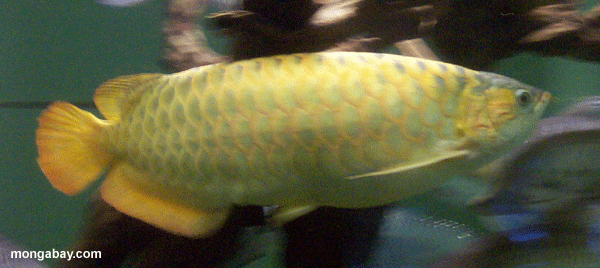

asian arowana
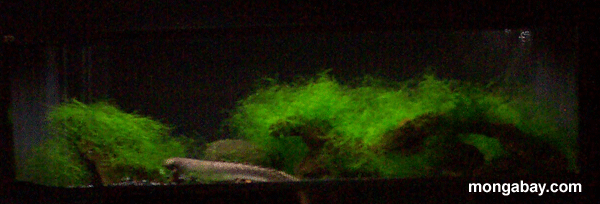

bichir
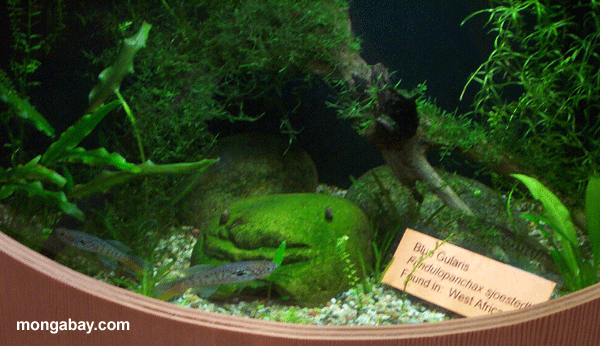

blue gularis
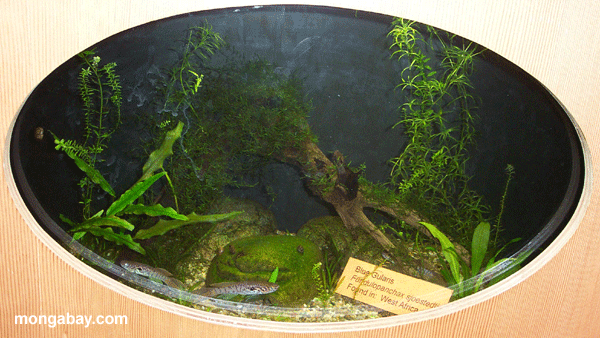

blue gularis
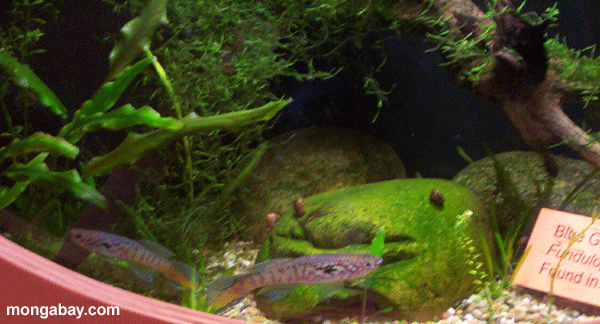

blue gularis
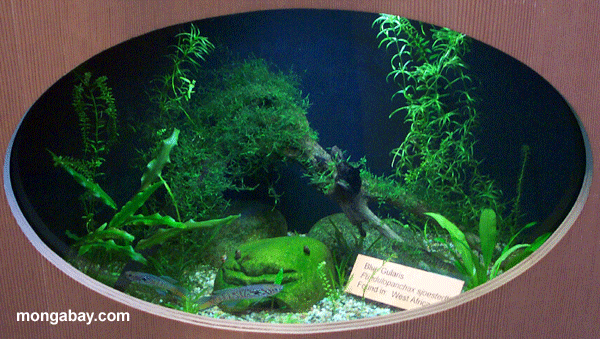

blue gularis
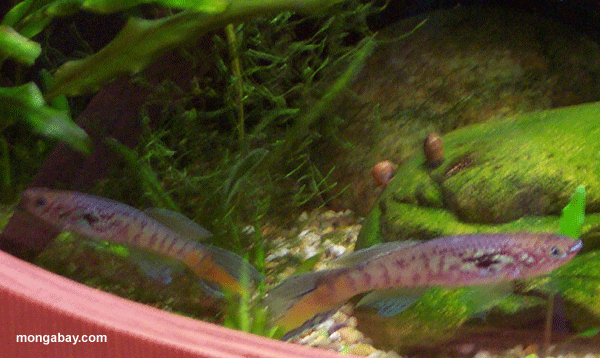

blue gularis
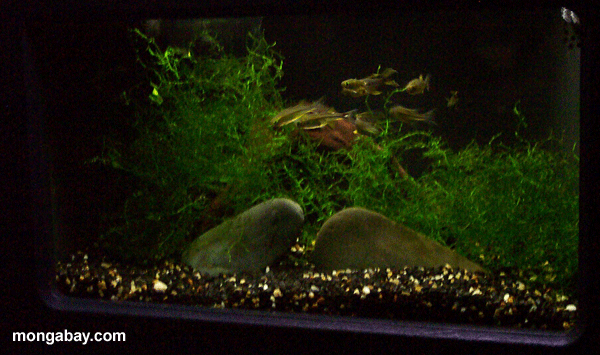

celebes rainbowfish
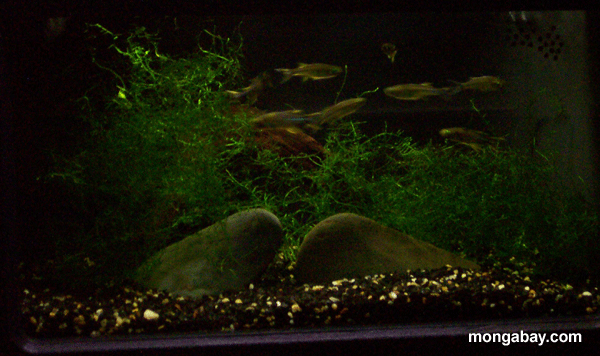
celebes rainbowfish2
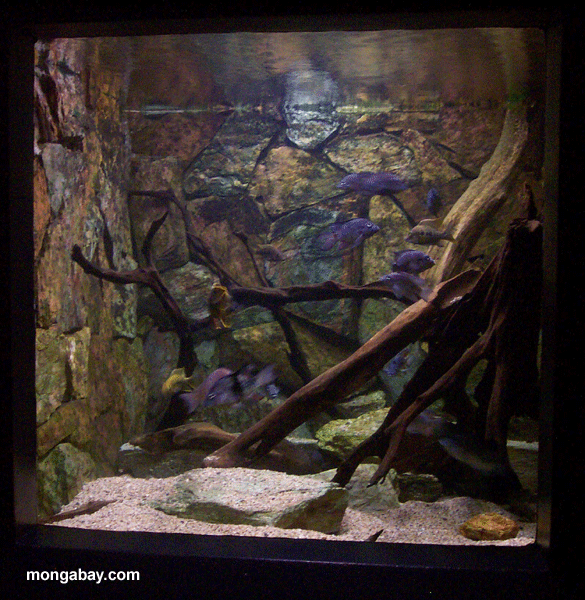

central american cichlids
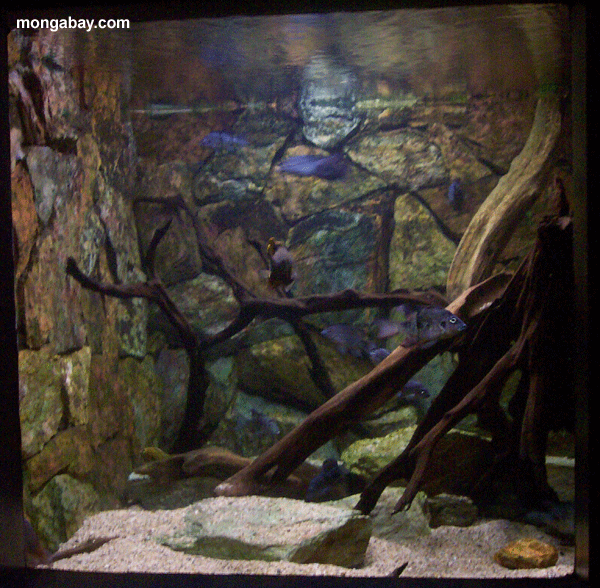

central american cichlids2
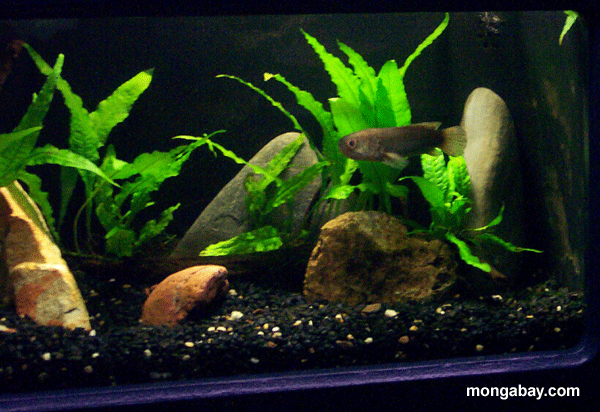

climbing perch
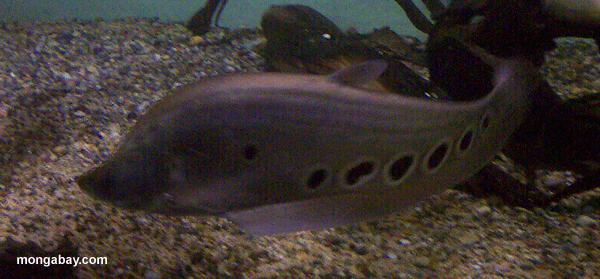

clown knifefish
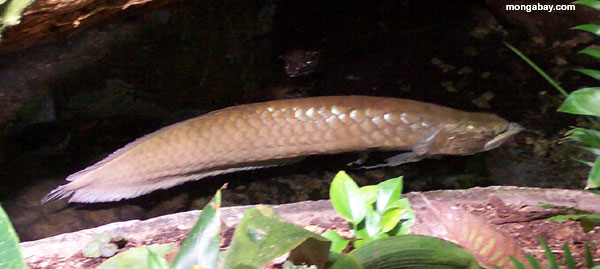

Arowana
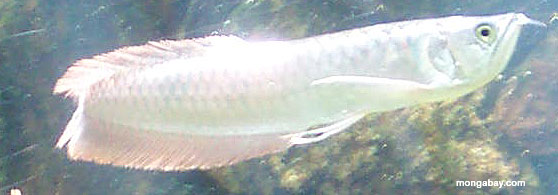

Arowana
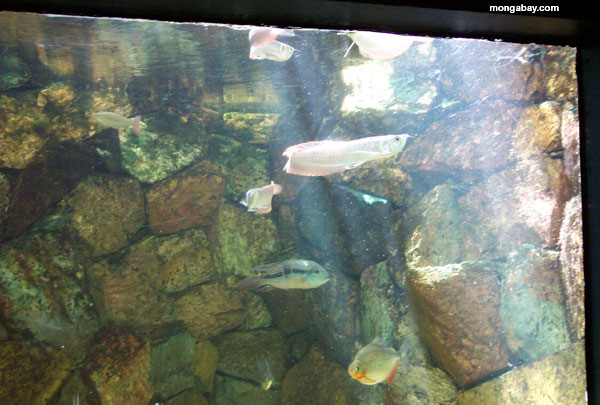

Arowana
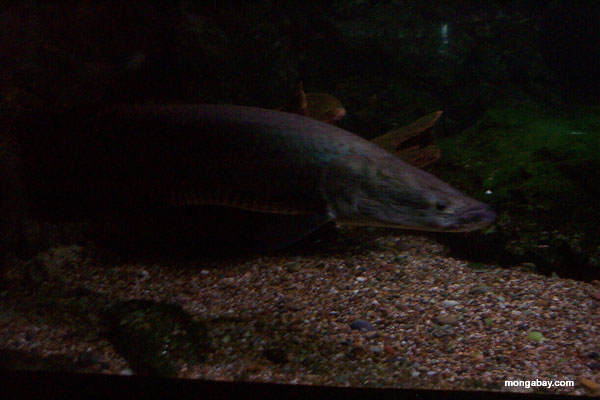

Arapaima
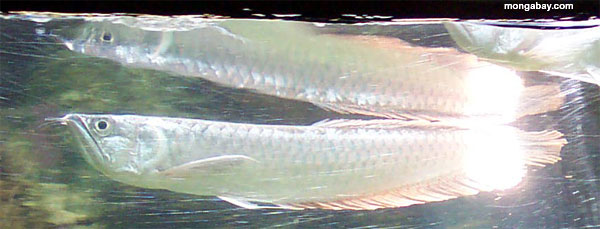

Arowana
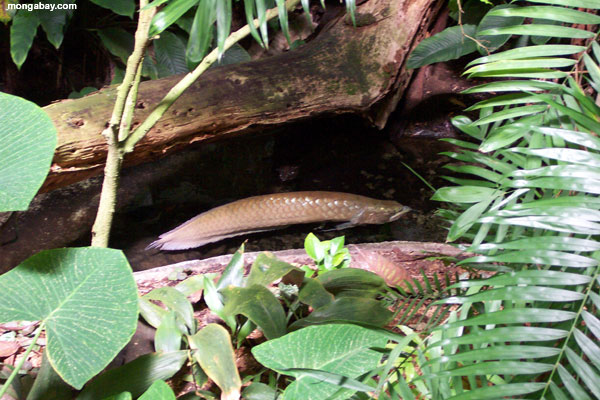

Arowana
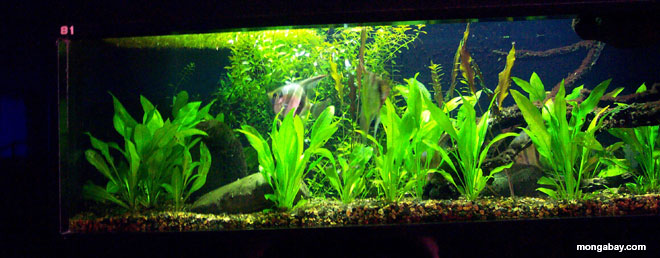

Angelfish
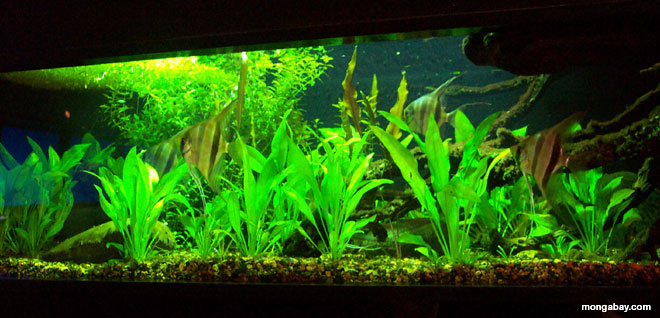

Angelfish
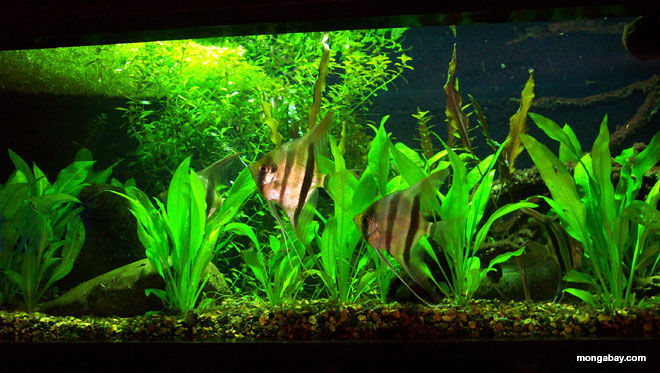

Angelfish
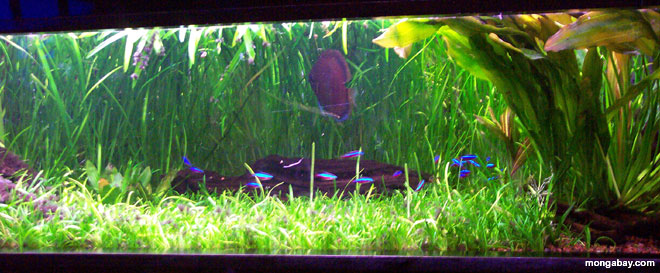

Discus
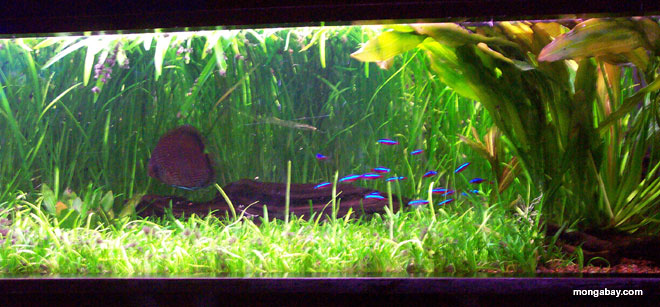

Discus
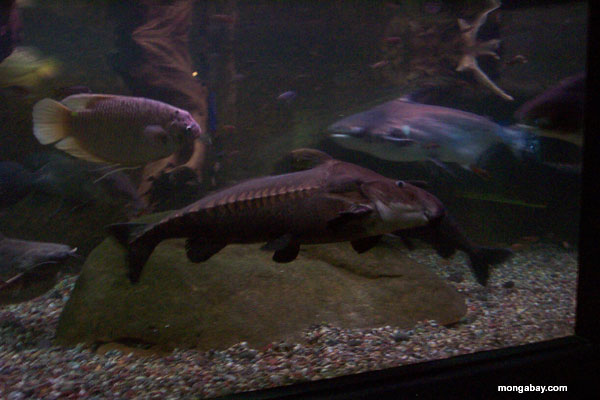

Catfish
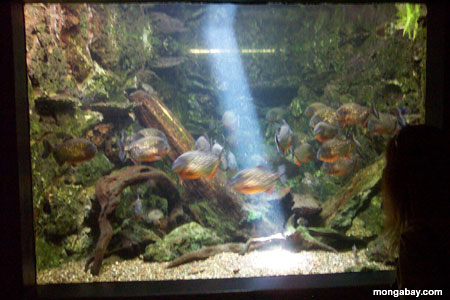

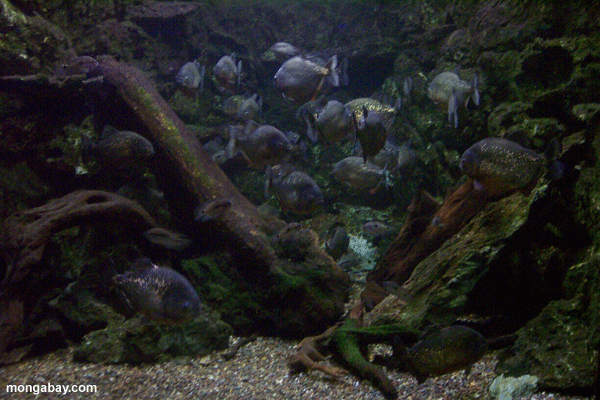
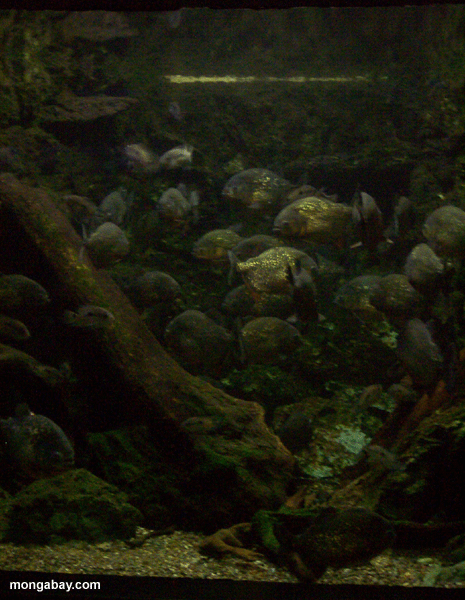
Piranhas


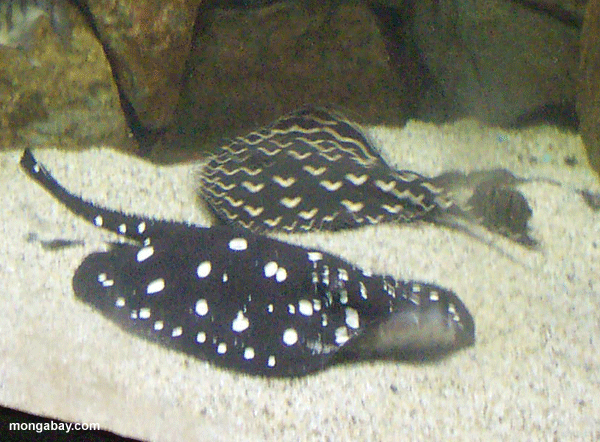
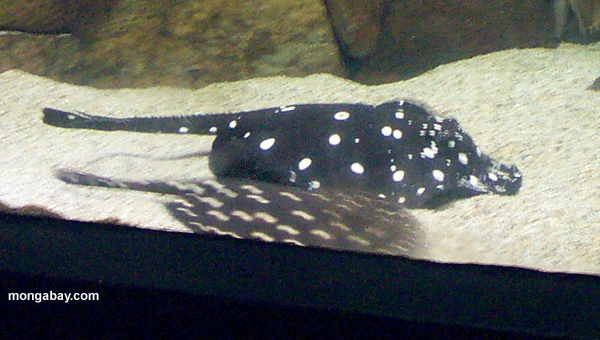
freshwater stingray


freshwater stingray
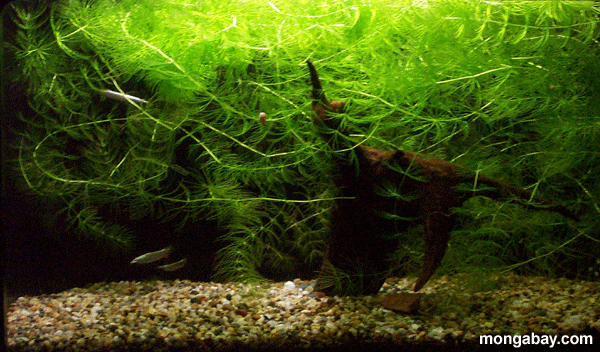

halfbeaks
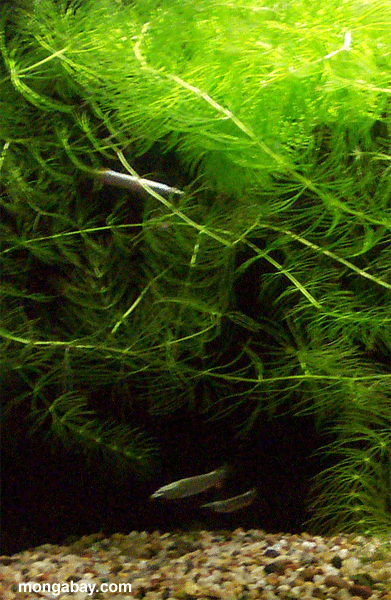

halfbeaks
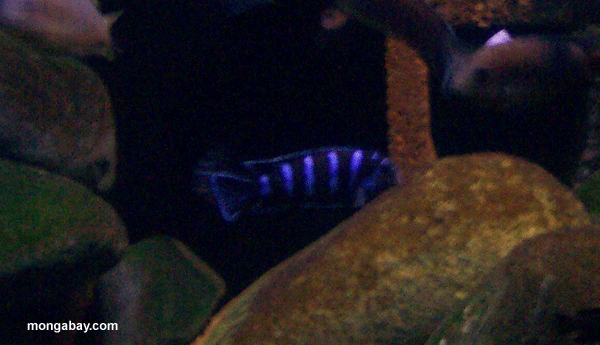

kenyii
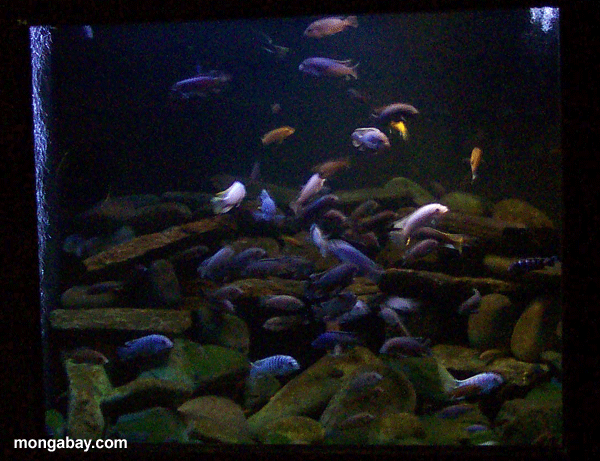

lake malawi cichlids
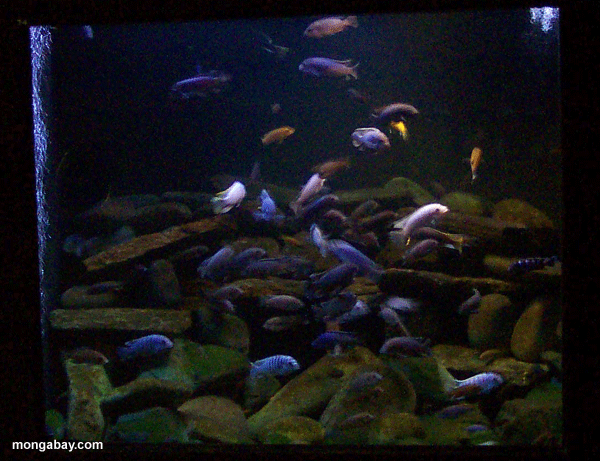

lake malawi cichlids
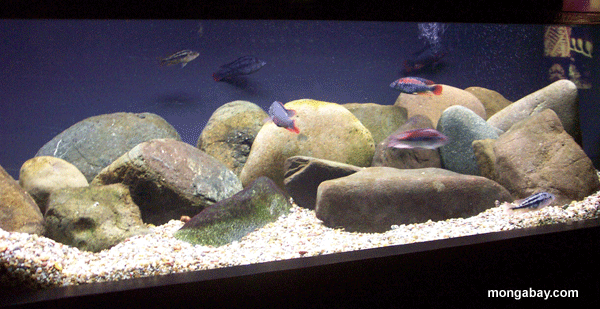

lake victoria cichlids
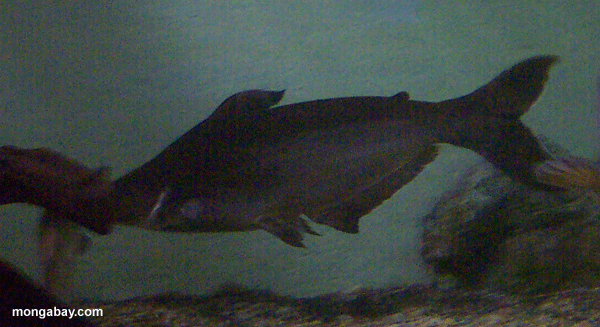

pangasius
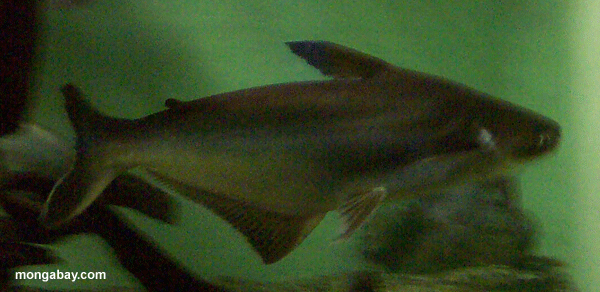

pangasius
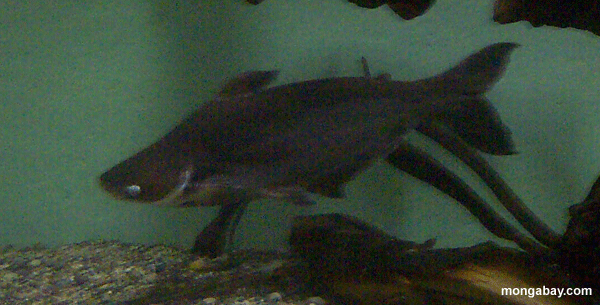

pangasius
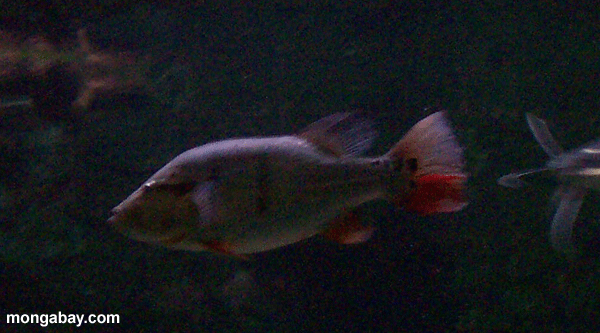

peacock bass
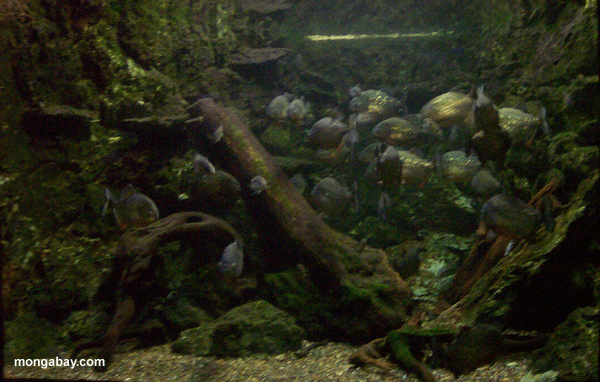

piranha
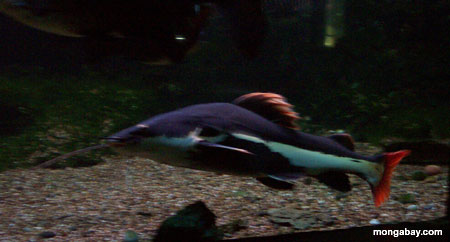

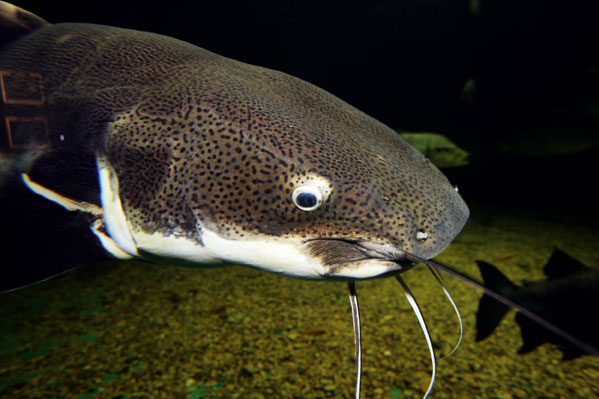
Redtail Catfish_00
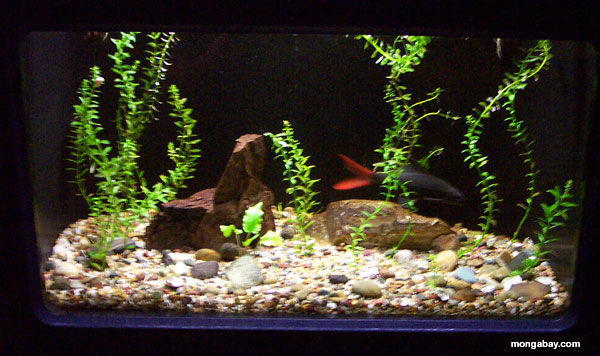

Redtail Shark
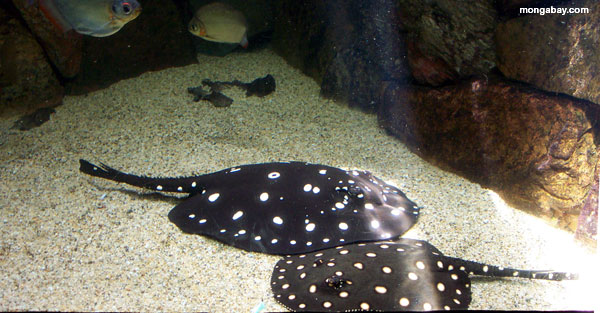

Freshwater Stingray


Freshwater Stingray


Freshwater Stingray
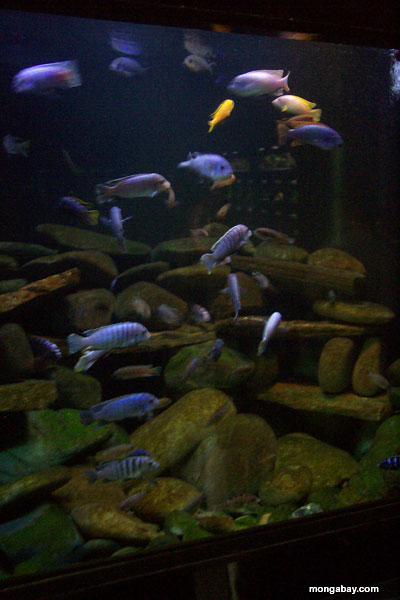

Lake Malawi Cichlids
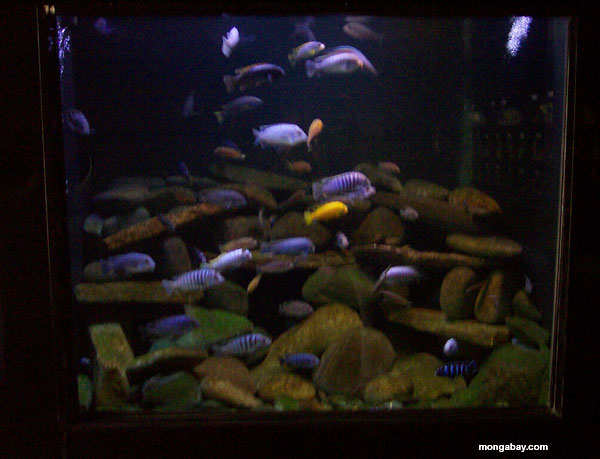

Lake Malawi Cichlids
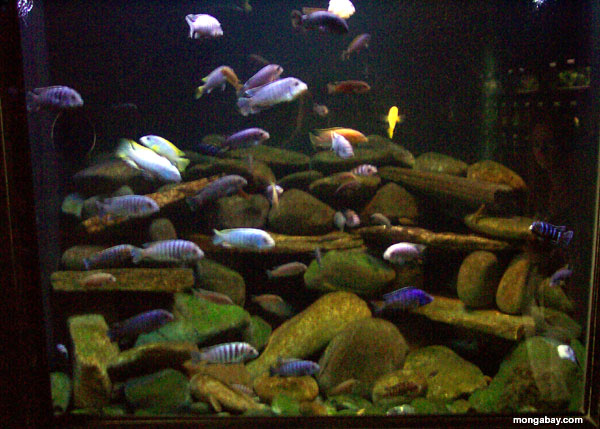

Lake Malawi Cichlids
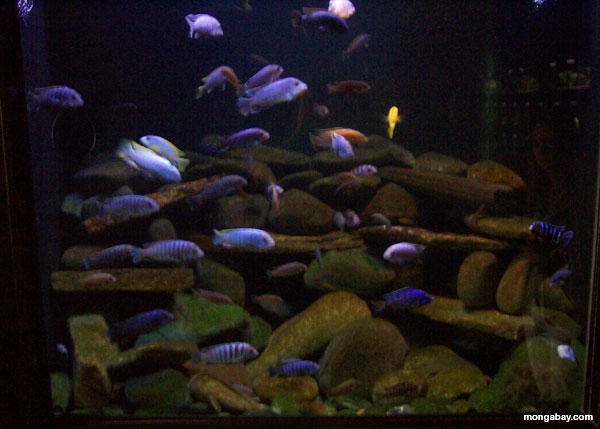

Lake Malawi Cichlids
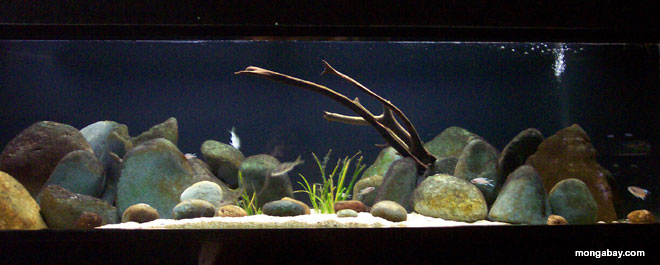

Lake Tanganyika Cichlids
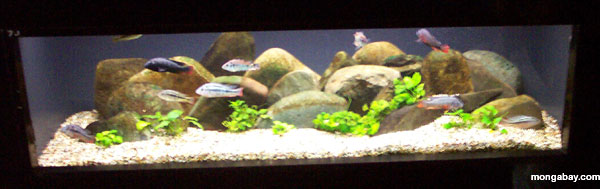

Lake Victoria Cichlids
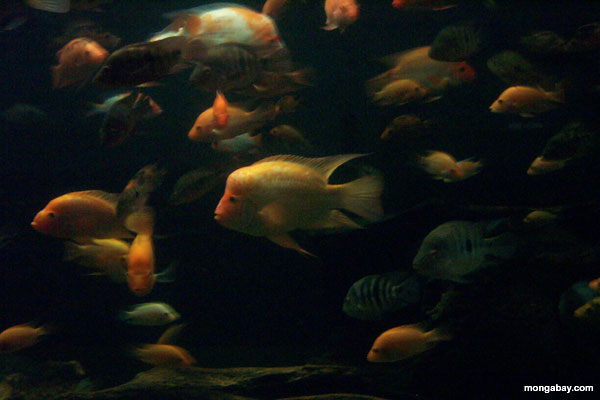

Central American Cichlids
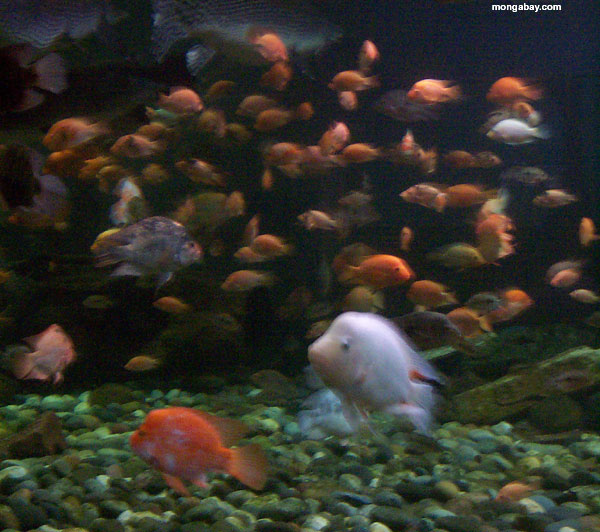

Central American Cichlids


Central American Cichlids


Central American Cichlids


piranha


piranha


puffer tank


rainbowfish
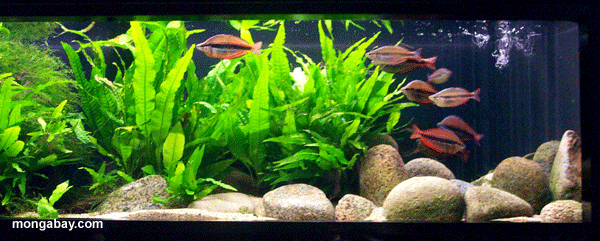

rainbowfish
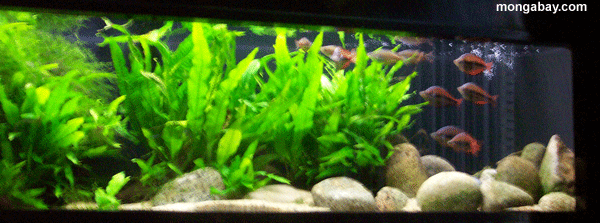

rainbowfish
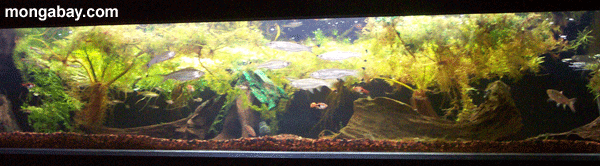
rasboras
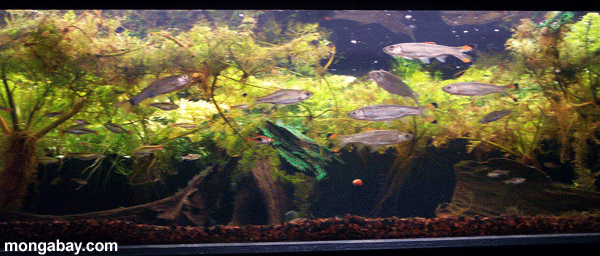

rasboras
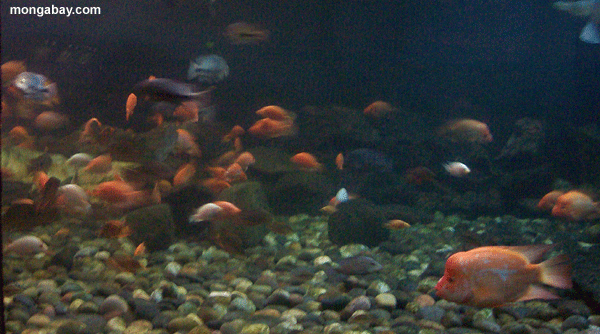

red devils
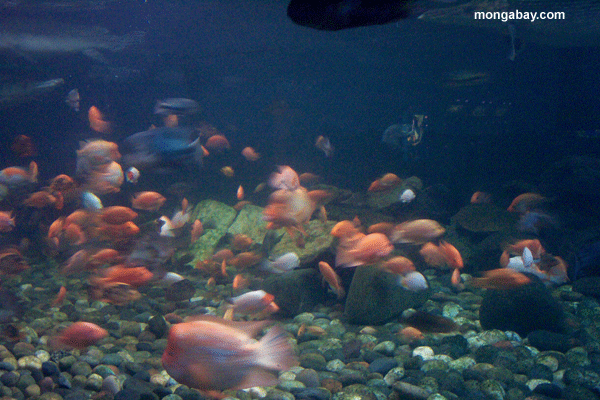

red devils
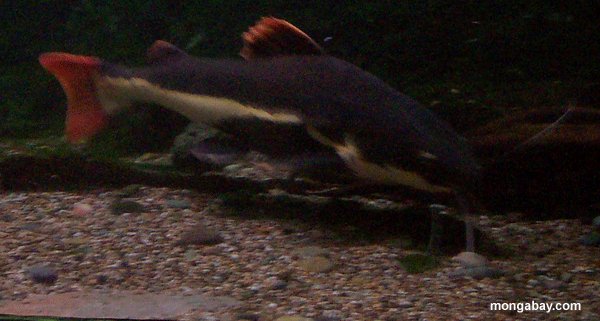

redtail catfish
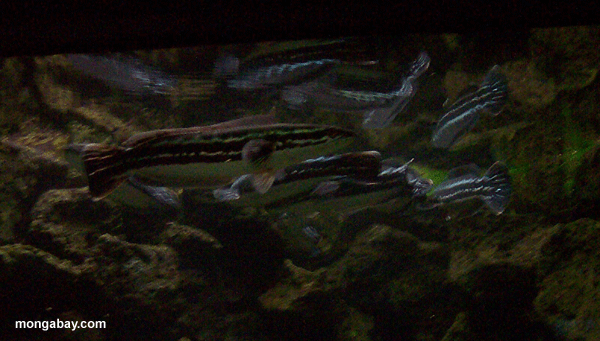

snakehead
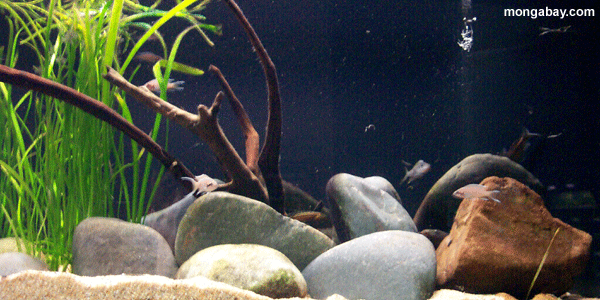

tanganyika cichlids
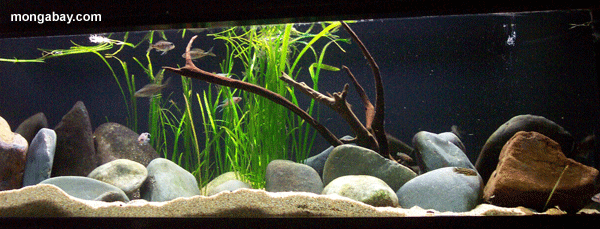

tanganyika cichlids


Central American Cichlids
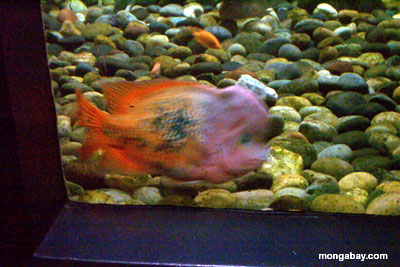

Central American Cichlids
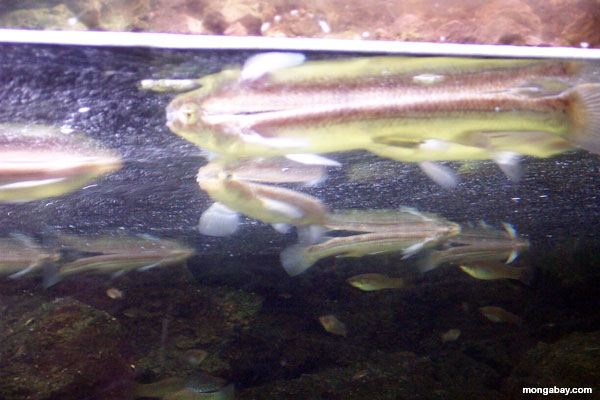

anableps
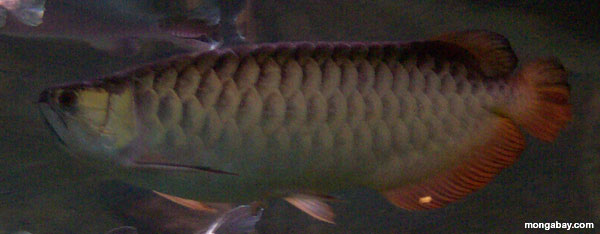

asian arowana
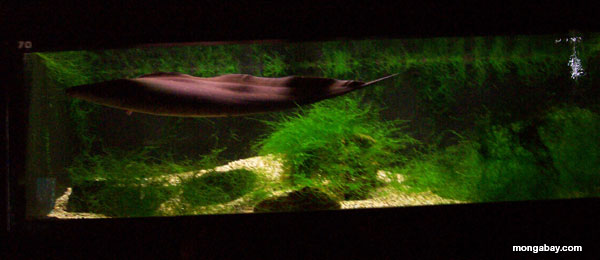

Brown Knifefish
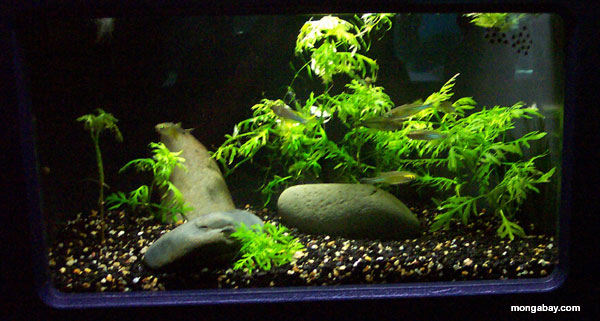

Celebes Rainbowfish
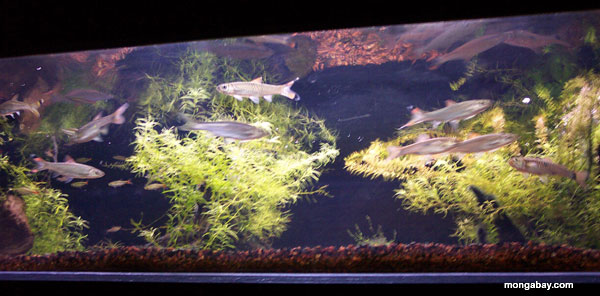

freshwater barracuda
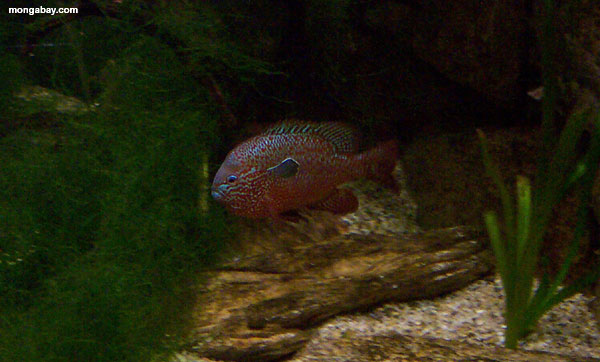

Pumpkinseed
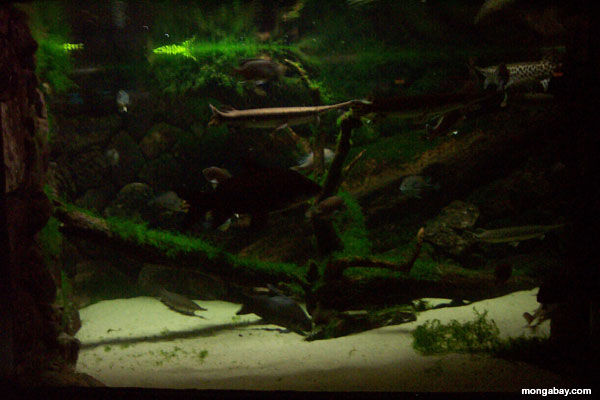

Gar


freshwater barracuda
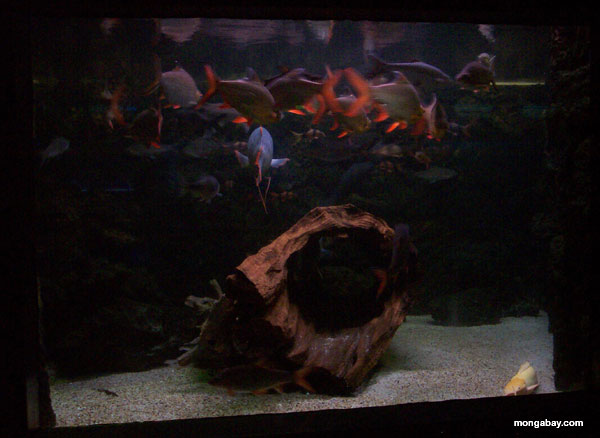

tinfoil barbs
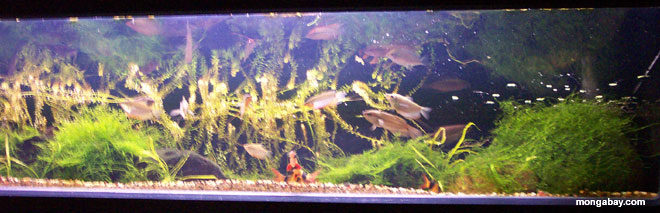

Gouramis
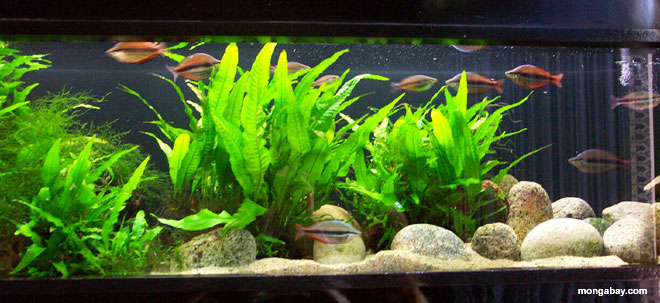

Rainbowfish


Other photos:
Steinhart Aquarium - Freshwater Fish | Steinhart Aquarium - Saltwater Fish | Steinhart Aquarium - Reptiles & Insects | The New Steinhart Aquarium

Freshwater Habitats Other Photos


Recent news

New Yangtze River dam could doom more endangered species

(06/22/2009) Eight Chinese environmentalists and scientists have composed a letter warning that a new dam under consideration for the Yangtze River could lead to the extinction of several endangered species. The letter contends that Xiaonanhia Dam, which would be 30 kilometers upstream from the city of Chongqing, will negatively impact the river’s only fish reserve. Spanning 400 kilometers in the upper Yangtze, the reserve is home to 180 fish species, including the Endangered Chinese sturgeon, and the Critically Endangered Chinese paddlefish, as well as the finless porpoise.


Fish take less than a decade to evolve

(06/22/2009) Evolution is often thought of being a slow-process, taking thousands, if not millions, of years. However a new study in The American Naturalist found that Trinidadian guppies underwent evolution in just eight years, or thirty generations. Less than a decade ago Swanne Gordon, a graduate student at UC Riverside, and her team introduced Trinidadian guppies into the Damier River in the Caribbean island of Trinidad. They placed the guppies above a waterfall to allow them to flourish in a largely predator-free environment.


Madfish?: scientist warns that farmed fish could be a source of mad cow disease

(06/17/2009) In a paper that shows just how strange our modern world has become, Robert P. Friedland, neurologist from the University of Louisville, warns that farmed fish could be at risk of Creutzfeldt Jakob disease, or mad cow disease.


New report predicts dire consequences for every U.S. region from global warming

(06/17/2009) Government officials and scientists released a 196 page report detailing the impact of global warming on the U.S. yesterday. The study, commissioned in 2007 during the Bush Administration, found that every region of the U.S. faces large-scale consequences due to climate change, including higher temperatures, increased droughts, heavier rainfall, more severe weather, water shortages, rising sea levels, ecosystem stresses, loss of biodiversity, and economic impacts.


Will jellyfish take over the world?

(06/16/2009) It could be a plot of a (bad) science-fiction film: a man-made disaster creates spawns of millions upon millions of jellyfish which rapidly take over the ocean. Humans, starving for mahi-mahi and Chilean seabass, turn to jellyfish, which becomes the new tuna (after the tuna fishery has collapsed, of course). Fish sticks become jelly-sticks, and fish-and-chips becomes jelly-and-chips. The sci-fi film could end with the ominous image of a jellyfish evolving terrestrial limbs and pulling itself onto land—readying itself for a new conquest.


Marine scientist calls for abstaining from seafood to save oceans

(06/08/2009) In April marine scientist Jennifer Jacquet made the case on her blog Guilty Planet that people should abstain from eating seafood to help save life in the ocean. With fish populations collapsing worldwide and scientists sounding warnings that ocean ecosystems—as edible resources—have only decades left, it is perhaps surprising that Jacquet’s call to abstain from consuming seafood is a lone voice in the wilderness, but thus far few have called for seafood lovers to abstain.


what's new | tropical fish home | rainforests | news | search | about | contact


Copyright Rhett Butler 1994-2009

The copy for fish.mongabay.com was written in 1994-1995. Therefore some information such as scientific names may be out of date. For this, I apologize. Feel free to send corrections to me.