Home
 What's New
 About
 Preface
 Introduction
 Fish Anatomy
 Water Chemistry
 The Aquarium
 Plant Care
 Plant Species
 Food
 Disease
 Biotope Aquaria
   Ecosystems
   Country Database
 Fish Species
   Catfish
   Characins
   Cichlids
   Cyprinds
   Killifish
   Labyrinth Fish
   Livebearers
   Loaches
   Others
   Perches
   Rainbowfish
 Non-fish Species
 Breeding Fish
 Aquarium Photos
 Languages
   Chinese
   Croatian
   Finnish
   German
   Japanese
   Portuguese
   Spanish
 Bibliography
 Links
 Resources
 Rainforests
 Books
 Mongabay Sites
   Kids site
   Travel Tips
 News
 Contact


dog videos, cat videos, puppy videos, kitten videos, pet videos


AQUARIUM PHOTOS - HERPS & INSECTS


The Steinhart Aquarium in San Francisco, which opened in September 1923, is the oldest, still-operating grand municipal aquarium in America. The aquarium's collection includes species found at no other institution in the world, as well as species that are extinct in the wild.

The Steinhart Aquarium is currently located at 875 Howard Street in downtown San Francisco (between 4th and 5th).

The New Steinhart Aquarium will open in fall 2008.

Other photos:
Steinhart Aquarium - Freshwater Fish | Steinhart Aquarium - Saltwater Fish | Steinhart Aquarium - Reptiles & Insects | The New Steinhart Aquarium

Photos by the Steinhart staff:


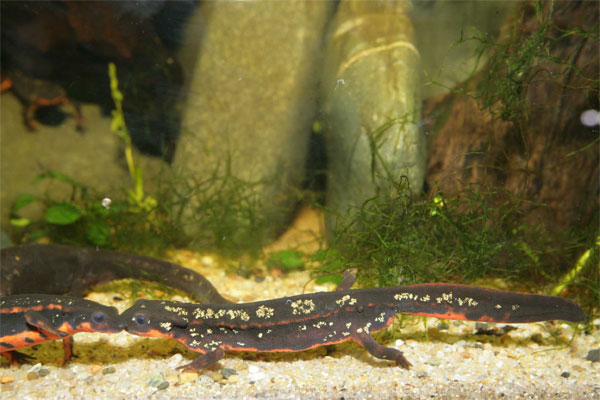
fire-bellied newts


turtles
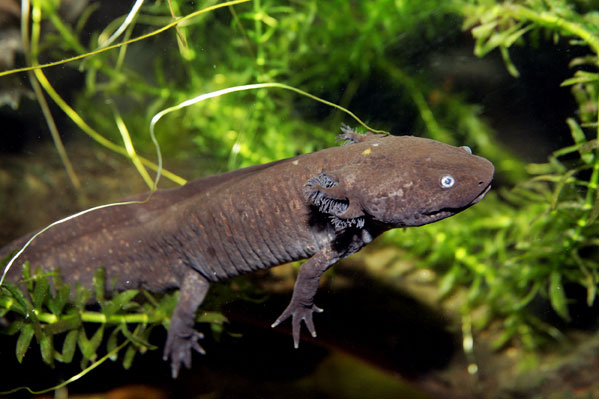


axolotl


axolotl facing left


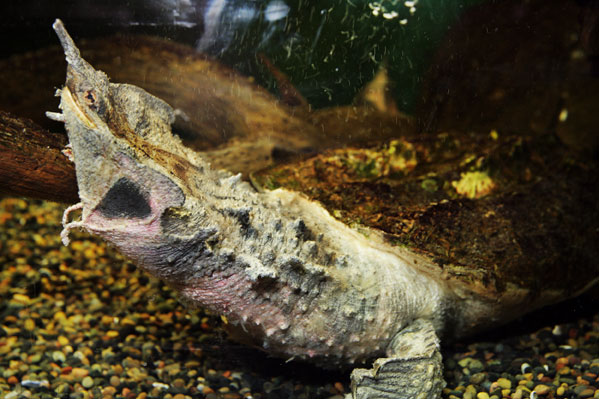
matamata


poison dart eye


poison dart frogeye


salamander kiss


spotted turtle


spotted turtle two


Photos taken at the old Steinhart:


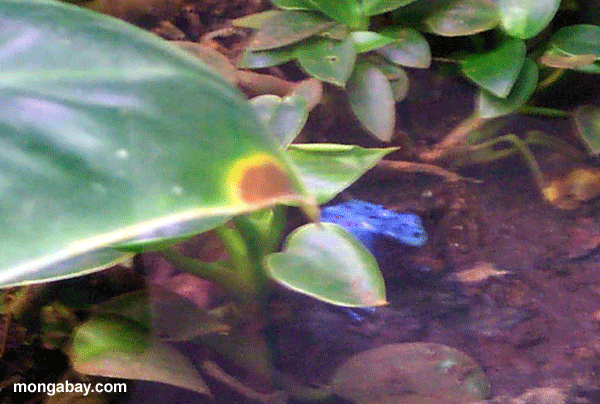
blue poison dart frog
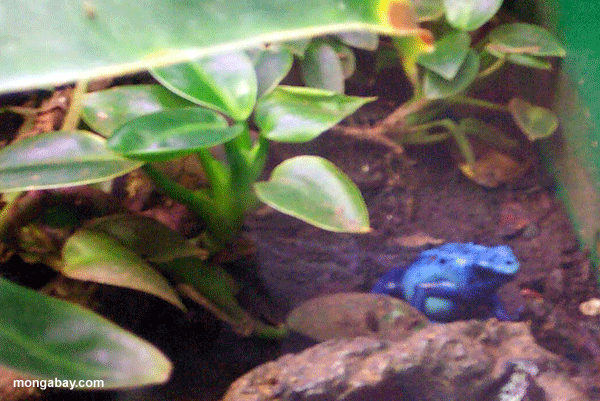

blue poison dart frog
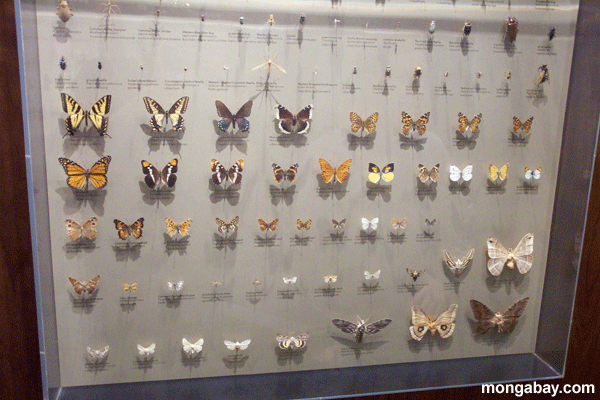

butterflies
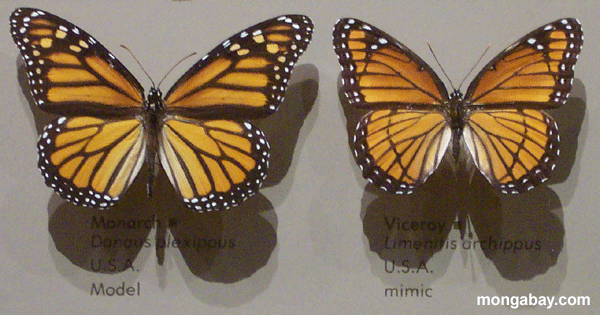

butterfly mimics
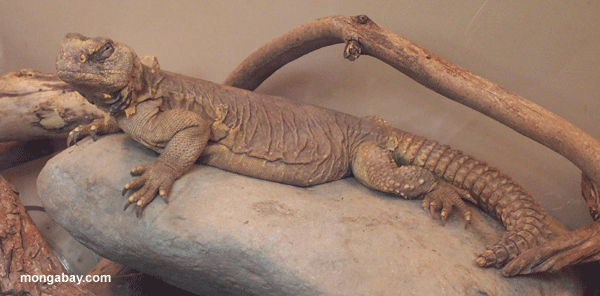

chuckwalla


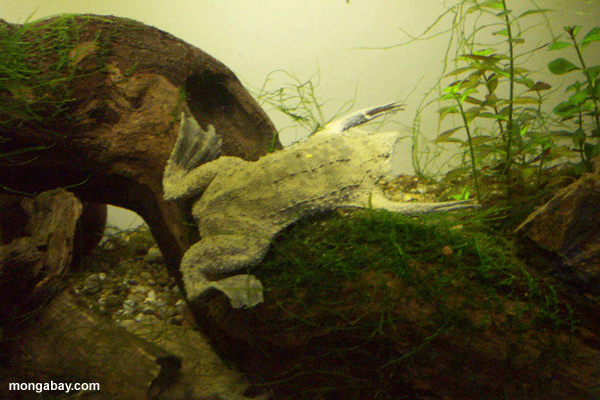
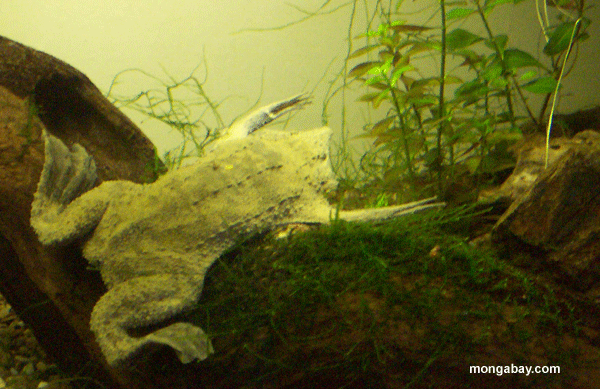
clawed frog


clawed frog


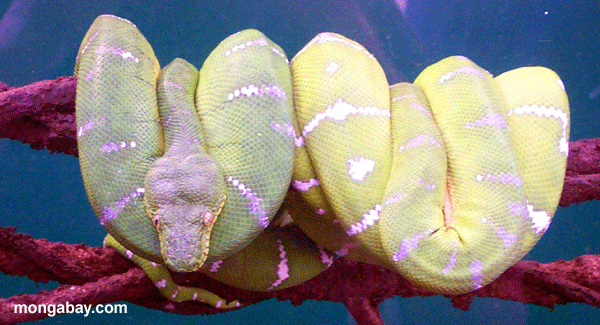
emerald boa
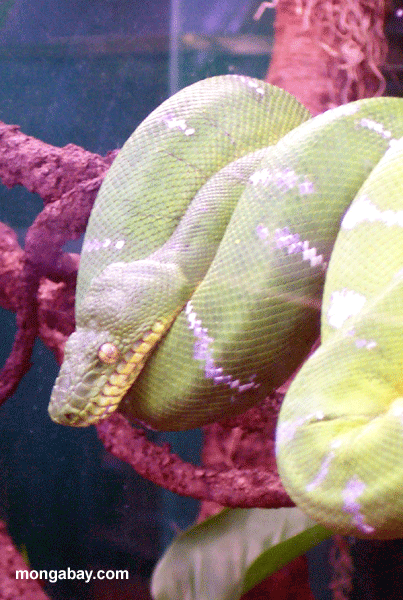

emerald boa
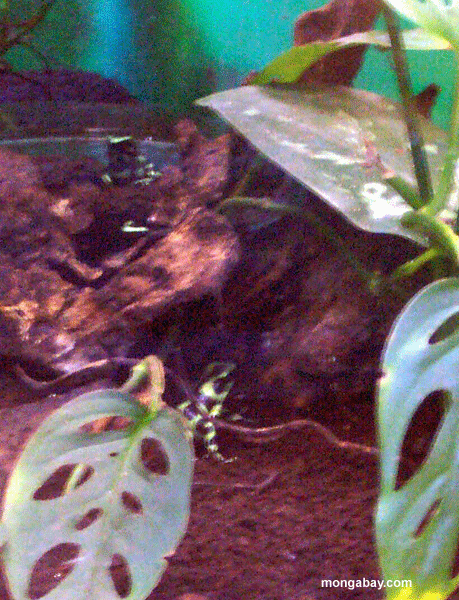

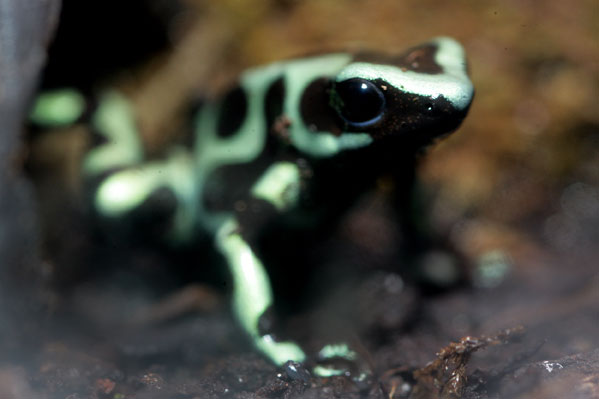
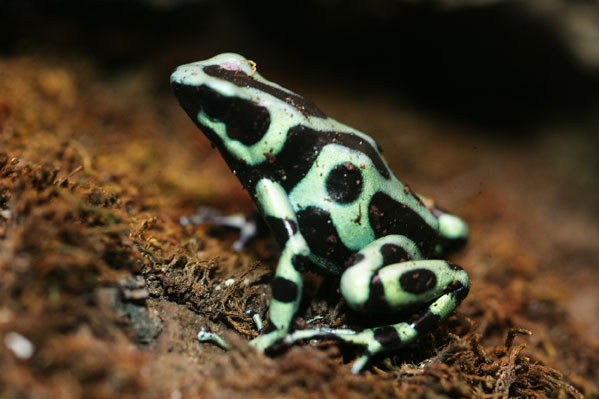
green poison dart frog
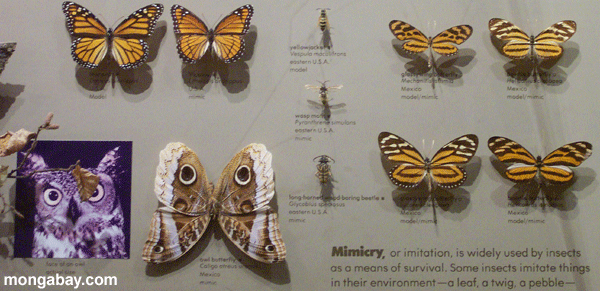

mimics2


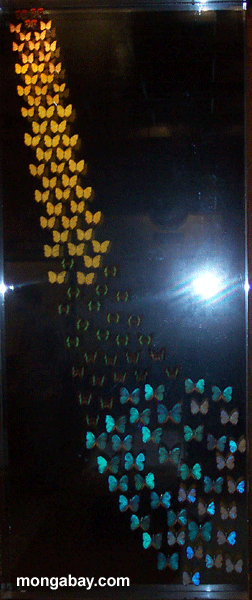
rainbow of butterflies


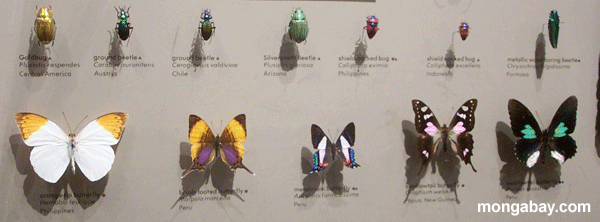
rainforest insects
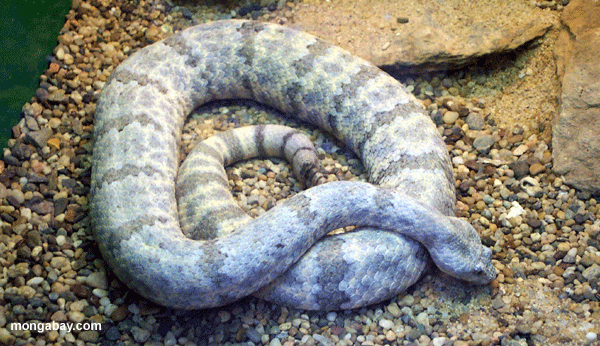

rattlesnake
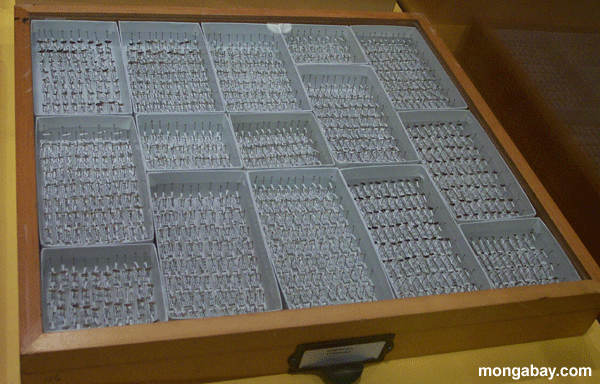

science insects
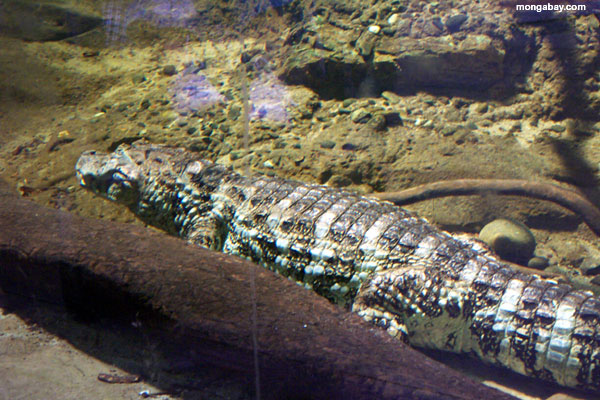

Caimen


Other photos:
Steinhart Aquarium - Freshwater Fish | Steinhart Aquarium - Saltwater Fish | Steinhart Aquarium - Reptiles & Insects | The New Steinhart Aquarium
Freshwater Habitats Other Photos


Recent news

Atlantic sturgeon gains protection under the Endangered Species Act

(02/01/2012) The U.S. federal government has listed the massive and bizarre Atlantic sturgeon (Acipenser oxyrinchus) under the protection of the Endangered Species Act (ESA). Historically overfishing decimated the Atlantic sturgeon, while on-going threats include pollution and infrastructure, like dams and bridges that destroy habitat. Fishing for the Atlantic sturgeon has been banned since 1998, they are still caught as bycatch.


Photos: 46 new species found in little-explored Amazonian nation

(01/25/2012) South America's tiniest independent nation still hides a number of big surprises: a three week survey to the sourthern rainforests of Suriname found 46 potentially new species and recorded nearly 1,300 species in all. Undertaken by Conservation International's (CI) Rapid Assessment Program (RAP) the survey found new species of freshwater fish, insects, and a new frog dubbed the "cowboy frog" for the spur on its heel. While Suriname may be small, much of its forest, in the Guyana Shield region of the Amazon, remains intact and pristine. The Food and Agriculture Organization (FAO) estimates that 91 percent of Suriname is covered in primary forests, however this data has not been updated in over two decades.


Featured video: tuna industry bycatch includes sea turtles, dolphins, whales

(01/16/2012) A Greenpeace video, using footage from a whistleblower, shows disturbing images of the tuna industry operating in the unregulated waters of the Pacific Ocean. Using fish aggregation devices (FADs) and purse seine nets, the industry is not only able to catch entire schools of tuna, including juvenile, but also whatever else is in the area of the net.


Bycatch-reducing fish trap wins $20,000

(01/11/2012) An innovative fish trap that allows small non-target fish to escape won a new content by RARE Conservation and National Geographic to fund solutions to overfishing. Developed through studies in CuraƧao and Kenya with the Wildlife Conservation Society, the trap has gaps for juvenile fish to swim out of reportedly reducing bycatch by 80 percent. The entry won a $20,000 grant.


World's most expensive tuna

(01/05/2012) A 593 pound Pacific bluefin tuna sold for $735,000 (56.49 million yen) in Tokyo's Tsukiji market today. This beats the previous record price hit last year by over $260,000. Why so expensive? Bluefin tuna, considered the best sashimi and sushi in the world, have been fished to near extinction with the population of the Pacific bluefin the most stable to date.


Top 10 Environmental Stories of 2011

(12/22/2011) Many of 2011's most dramatic stories on environmental issues came from people taking to the streets. With governments and corporations slow to tackle massive environmental problems, people have begun to assert themselves. Victories were seen on four continents: in Bolivia a draconian response to protestors embarrassed the government, causing them to drop plans to build a road through Tipnis, an indigenous Amazonian reserve; in Myanmar, a nation not known for bowing to public demands, large protests pushed the government to cancel a massive Chinese hydroelectric project; in Borneo a three-year struggle to stop the construction of a coal plant on the coast of the Coral Triangle ended in victory for activists; in Britain plans to privatize forests created such a public outcry that the government not only pulled back but also apologized; and in the U.S. civil disobedience and massive marches pressured the Obama Administration to delay a decision on the controversial Keystone XL pipeline, which would bring tar sands from Canada to a global market.


what's new | tropical fish home | rainforests | news | search | about | contact


Copyright Rhett Butler 1994-2009

The copy for fish.mongabay.com was written in 1994-1995. Therefore some information such as scientific names may be out of date. For this, I apologize. Feel free to send corrections to me.